Buying a Florida Condo in 2026: How Milestone Inspections and Reserve Studies Affect Your Mortgage
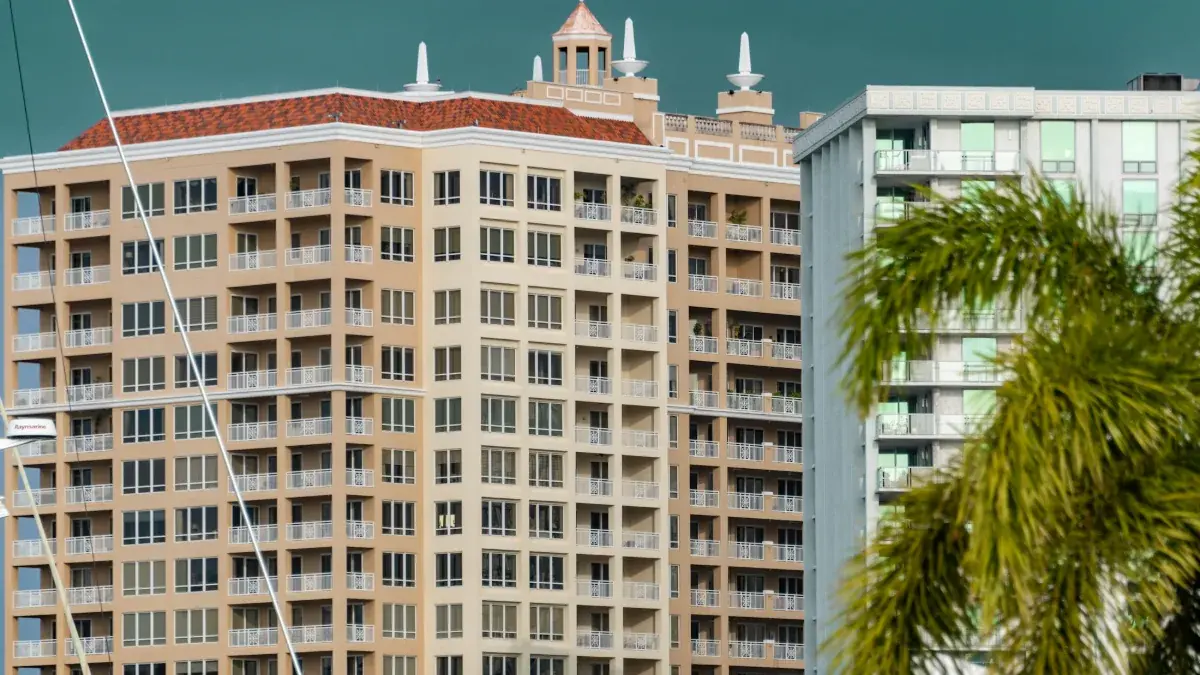
Florida condos have changed more in the past four years than in the previous four decades. After the 2021 Surfside collapse, the state added mandatory structural inspections and fully funded reserves, and Fannie Mae and Freddie Mac tightened the rules for lending in buildings with unresolved safety issues. The result: the building matters as much as your own credit. Two units with the same price can have very different financing options.
The Florida rules every condo buyer should know
Milestone inspections
Residential condominium and cooperative buildings that are three or more habitable stories must have a milestone inspection by December 31 of the year the building reaches 30 years from its certificate of occupancy, and every 10 years after that. Local governments may require the first inspection at 25 years. Buildings that hit 30 before July 1, 2022 had to complete inspections by December 31, 2024.
The inspection has two phases. Phase 1 is a visual review by a licensed engineer or architect. If it finds substantial structural deterioration, a more detailed Phase 2 follows, and repairs must begin within 365 days of the Phase 2 report.
Structural integrity reserve studies (SIRS)
Associations for buildings of three or more habitable stories must complete a structural integrity reserve study covering items such as the roof, structure, fireproofing, plumbing, electrical systems, waterproofing and windows. After the 2025 changes in HB 913, the deadline became December 31, 2025, with an outer limit of December 31, 2026 for associations completing the study together with a milestone inspection due by then. Associations can no longer waive or underfund reserves for these items.
HB 913 also lets an association pause contributions to structural reserves for up to two years after a milestone inspection, with majority owner approval, so it can fund the repairs that inspection identifies. That option applies to budgets adopted on or before December 31, 2028.
How lenders look at a condo building
For a conventional loan, the lender reviews the condo project as well as you. Under current Fannie Mae and Freddie Mac rules:
- Projects that need critical repairs, meaning repairs to significant deficiencies affecting safety, soundness or structural integrity, are ineligible until the repairs are completed and documented.
- Lenders must review inspection reports from roughly the past three years, and a failed mandatory inspection makes a project ineligible.
- Buildings under a partial or full evacuation order are ineligible until the unsafe condition is fixed.
- Projects flagged as Unavailable in Fannie Mae's Condo Project Manager are ineligible for Fannie Mae financing.
The March 2026 updates
On March 18, 2026, Fannie Mae and Freddie Mac announced coordinated changes to condo project standards. The critical-repair rules did not change, but several requirements did:
- Limited and streamlined project reviews are being retired for applications on or after August 3, 2026, so more buildings will need a full review.
- The required reserve contribution rises from 10% to 15% of budgeted income for applications on or after January 4, 2027.
- Where a reserve study exists, the budget must reflect its recommended reserve funding.
- Master policy deductibles will be capped at $50,000 per unit starting July 1, 2026.
- Roofs may now be insured at actual cash value, and small projects of 10 or fewer units qualify for a project review waiver.
What this means for your purchase
Buildings that are well run, have finished their inspections and funded their reserves are easier to finance and often hold value better. Buildings facing large repairs may carry special assessments and limited loan options. In those cases buyers may need a non-warrantable condo loan with a larger down payment and higher rate, or a cash purchase.
Documents to request before you sign
- The most recent milestone inspection report, Phase 1 and Phase 2 if applicable
- The structural integrity reserve study and the current year's budget
- Board minutes from the last 12 months, which often reveal planned repairs or litigation
- Details of any current or proposed special assessments
- The master insurance policy declarations, including the wind deductible
- A completed condo questionnaire for your lender
Florida law gives condo buyers a review period for association documents, so build enough time into your contract to read them and to let your lender review the project.
Tip: Ask your loan officer to review the project before you are under contract. A quick check of the building's status can save an inspection fee, an appraisal and weeks of waiting on a condo that cannot be financed the way you planned.
Budgeting for a Florida condo
When you estimate your payment, include HO-6 unit owner insurance, monthly dues, and the possibility that dues rise as reserves are fully funded. Lenders count association dues in your debt-to-income ratio, so higher dues reduce the loan amount you qualify for. Our affordability guide walks through the full monthly payment.
Frequently Asked Questions
Can I get a mortgage on a Florida condo that needs repairs?
If the building needs critical repairs affecting safety or structural integrity, Fannie Mae and Freddie Mac loans are not available until the repairs are completed and documented. Non-warrantable condo loans or cash may be the only options in the meantime.
Which Florida condos need a milestone inspection?
Condominium and cooperative buildings that are three or more habitable stories need a milestone inspection by December 31 of the year they turn 30, then every 10 years. Local governments can require the first inspection at 25 years.
What is the SIRS deadline in Florida?
Under the 2025 changes, structural integrity reserve studies were due by December 31, 2025, with an outer limit of December 31, 2026 for associations completing the study along with a milestone inspection due by that date.
What is a non-warrantable condo?
A condo in a project that does not meet Fannie Mae or Freddie Mac standards, for example because of pending critical repairs, litigation or high commercial space. Financing is usually available only through portfolio or non-QM lenders with larger down payments.
Talk to a Lending Warehouses loan officer
Get a personalized quote for your Florida purchase or refinance, with every cost explained up front.
Get Today's Rates Apply NowThis article is general information as of its publication date, not financial, tax or legal advice. Loan programs, limits and guidelines change, and approval depends on your credit, income, property and lender requirements. Lending Warehouses of America, NMLS ID 332663.